
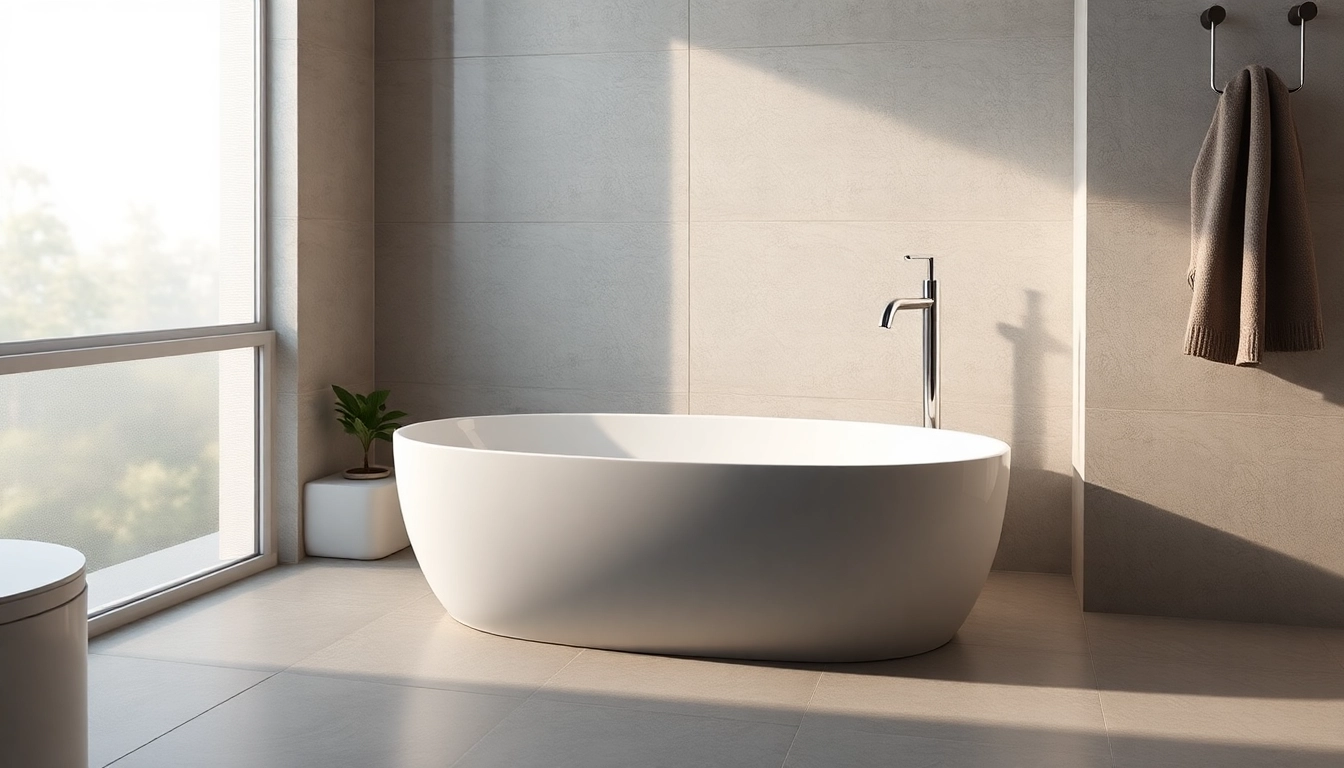
Understanding Shower Base Shower Options
Choosing the right shower base shower can significantly impact the functionality and aesthetic appeal of your bathroom. With various options available, including designs, materials, and sizes, this guide will help you navigate through the selection process to find the perfect fit for your space.
Types of Shower Base Showers Available
Shower base showers come in several configurations, each catering to different preferences and layout requirements. Here’s a look at the most common types:
- Standard Rectangular Shower Bases: These bases are ideal for traditional layouts and can fit seamlessly into any bathroom design. Their straightforward design often allows for easy installation.
- Neo-Angle Shower Bases: Best suited for smaller bathrooms, these bases maximize corner space, offering a stylish look without compromising on functionality.
- Curved Shower Bases: With an elegant design, curved bases create a more open feeling in the shower area, which is especially beneficial in compact spaces.
- Custom Shower Bases: For those with unique layouts or specific design preferences, custom solutions allow homeowners to tailor their shower bases according to their needs.
Materials Used in Shower Base Showers
The material selected for a shower base influences both the performance and aesthetic appeal. Here are the most prevalent materials:
- Acrylic: Known for its versatility, acrylic shower bases are lightweight, easy to clean, and available in various designs. They provide excellent warmth underfoot, making them a popular choice.
- Fiberglass: This material offers a budget-friendly option with good durability. Fiberglass bases are generally easy to maintain but can wear out quicker than other materials if not properly cared for.
- Stone Resin: Providing a luxurious feel, stone resin bases are incredibly durable and resistant to cracking. Their weight can be a consideration during installation.
- Ceramic or Porcelain Tile: These materials allow for a customized aesthetic, as they come in various colors and designs. While they may require grouting, the visual impact is significant.
Choosing the Right Design for Your Space
When selecting a shower base shower, consider the overall design and dimensions of your bathroom. Here are key factors to keep in mind:
- Size and Shape: Measure the available space to understand what dimensions will work best. Ensure that the shower base complements other fixtures and the overall design.
- Style Consistency: Whether your bathroom is modern, traditional, or something in between, ensure the style of the base matches the existing décor to create a cohesive look.
- Tile or Non-Tile Options: Decide if you want a tiled base, which allows for customization, or a prefabricated unit, which may simplify the installation process.
Benefits of Installing a Shower Base Shower
Installing a shower base shower comes with numerous benefits that enhance not only the functionality but also the overall experience in the bathroom.
Durability and Maintenance Considerations
Shower bases are designed for high foot traffic and water exposure, which means durability is paramount. Materials like stone resin and acrylic are made to withstand daily use. Regular maintenance, such as cleaning and inspections for leaks, can significantly prolong the life of your shower base.
Enhancing Water Flow and Drainage
Properly installed shower bases facilitate efficient drainage, preventing water pooling. Many modern designs incorporate sloped surfaces towards the drain to enhance water flow, thereby mitigating potential water damage and mold growth.
Impact on Bathroom Aesthetics
Bathroom aesthetics are crucial as it influences the overall ambiance of the home. A well-chosen shower base can serve as a key focal point in a bathroom. Color, texture, and design of the shower base should harmonize with other elements like wall tiles, cabinetry, and accessories.
Installation Process for Shower Base Shower
Installing a shower base can either be a DIY project or require professional help depending on your skill level. Here’s how to approach the installation process with confidence.
Preparing Your Bathroom for Installation
Before installation begins, preparation is essential. Clear the area of any obstructions, and ensure that plumbing and electrical connections are properly situated to prevent complications during installation. Moreover, ensuring the subfloor is level will help avoid future issues with water pooling.
Step-by-Step Installation Guide
The steps for installing a shower base can vary based on its type and design. Here is a simplified step-by-step guide:
- Begin by measuring and marking where the base will sit.
- Install the drain according to the manufacturer’s specifications.
- Position the shower base into place, ensuring it is level.
- Secure the base using caulk or screws as necessary, adhering to installation guidelines.
- Connect the plumbing to the drain and test for leaks.
- Finish up by applying grout or caulk around the edges for a professional finish.
Common Installation Mistakes to Avoid
To ensure a successful installation, here are common pitfalls to avoid:
- Failing to level the base before securing it can lead to drainage issues.
- Neglecting to check the plumbing connections might cause leaks later.
- Ignoring the manufacturer’s instructions can result in improper installation and voided warranties.
Shower Base Shower Maintenance Tips
After installation, regular maintenance is crucial to ensure your shower base continues to look great and function effectively.
Regular Cleaning Practices
To keep your shower base in optimal condition, establish a cleaning routine. Use non-abrasive cleaners and avoid harsh chemicals to prevent damage. Regularly clean the base to remove soap scum and mineral deposits, which could affect its appearance and function.
Detecting and Fixing Common Issues
Early detection of problems such as cracks, leaks, or mold growth will save time and costs down the line. Inspect the base and surrounding areas frequently for early signs of wear and address any issues immediately.
Longevity Strategies for Your Shower Base Shower
To extend the lifespan of your shower base shower, ensure proper ventilation to reduce humidity levels and prevent mold. Apply sealants when necessary, especially in grout lines, to protect against moisture infiltration.
FAQs About Shower Base Showers
What is a shower base shower made of?
A shower base shower can be made from various materials including acrylic, fiberglass, stone resin, and ceramic tiles, each offering different aesthetics and durability.
How do I choose the right size for my shower base shower?
Measure the available bathroom space and consider local building codes. Select a size that fits comfortably while allowing space for any additional bathroom features.
Can I install a shower base shower myself?
Yes, if you have basic plumbing and DIY skills, you can install a shower base. However, professional installation is recommended for complex setups.
What maintenance does a shower base shower require?
Regular cleaning, inspecting for leaks or cracks, and resealing grout lines when necessary help maintain the shower base in good condition.
Are shower base showers slip-resistant?
Many shower base showers are designed with slip-resistant surfaces. However, it’s essential to check product specifications before installation.