
- Understanding the Role of a New York General Contractor
- Choosing the Right New York General Contractor
- Project Management Techniques Used by a New York General Contractor
- Addressing Common Challenges Faced by New York General Contractors
- The Future of General Contracting in New York
- FAQs about New York General Contractor
Understanding the Role of a New York General Contractor
Definition and Responsibilities
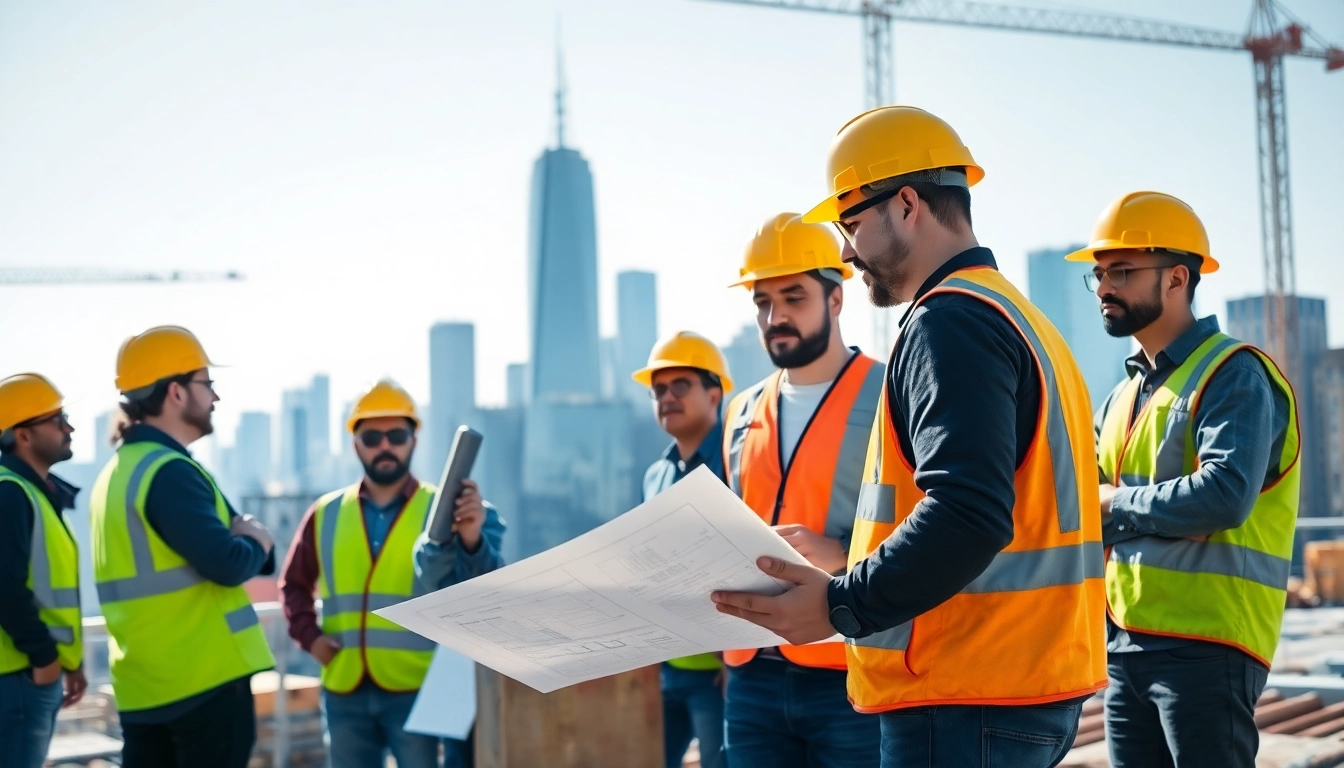
A New York General Contractor is a pivotal figure in the construction industry, serving as the linchpin between project owners and the various tradespeople who contribute to a building project. They oversee the entirety of construction projects, managing tasks such as planning, budgeting, scheduling, and quality assurance. Their responsibilities extend from the moment of a project’s conception until its final completion, ensuring that everything adheres to local building codes, safety regulations, and client specifications.
These contractors coordinate and supervise contractors, subcontractors, and suppliers, making sure that each facet of the project progresses smoothly. Among their essential roles, they are responsible for acquiring necessary permits, ordering materials, scheduling inspections, and maintaining compliance with zoning laws. In essence, they manage the project’s logistics while ensuring that the end product meets both quality and aesthetic standards.
Key Skills Required
To be effective in their role, a New York General Contractor must possess a diverse skill set that includes:
- Project Management: Ability to coordinate multiple aspects of a project and ensure timely delivery.
- Communication: Excellent communication skills to liaise effectively with clients, subcontractors, and suppliers.
- Problem-Solving: Aptitude for resolving issues quickly and efficiently as they arise during construction.
- Financial Acumen: Understanding of budgeting, cost forecasting, and financial management related to construction.
- Technical Knowledge: Familiarity with construction methods, materials, and local building codes.
How They Differ from Other Contractors
General contractors differ from subcontractors primarily in their scope of work. While subcontractors specialize in specific trades—like electrical work, plumbing, or roofing—a general contractor oversees the entire project. They act as a single point of contact for clients, simplifying communication and operations. Additionally, general contractors are responsible for the coordination of subcontractors, managing their schedules and workflows.
Choosing the Right New York General Contractor
Assessing Qualifications and Experience
When selecting a New York General Contractor, it is crucial to evaluate their qualifications and experience thoroughly. Start by checking their education and certifications, which often include licenses required by the state. Experienced contractors will typically have a portfolio showcasing completed projects that reflect their ability to handle similar jobs.
A good measure of their experience can also be their reputation within the community and among previous clients. Online reviews and testimonials provide insight into the contractor’s reliability, quality of work, and ability to meet deadlines. Verifying their past project successes can give potential clients confidence in their ability to deliver on their current project.
Evaluating Past Projects
Examining a contractor’s past projects is essential in determining if they are a good fit for your needs. Look for completed projects that are similar in scope and style to what you are planning. Assess not just the visual results but also the quality of their construction work. Consider visiting these sites if possible or request a tour of previous work to firsthand see their craftsmanship.
Furthermore, discussing challenges faced during past projects can provide valuable insights. A contractor’s ability to navigate obstacles, such as unexpected delays or budget issues, reveals their problem-solving skills and adaptability—two key traits that indicate a capable general contractor.
Tips for Effective Communication
Effective communication is vital for a successful contractor-client relationship. Establish clear expectations from the start. Set regular check-ins to discuss project updates, address any concerns, and ensure your visions align. Use technology to your advantage, opting for tools that track project progress and facilitate communication, such as project management software or collaboration apps.
Be open to sharing your ideas and concerns throughout the construction process. This dialogue can build trust and ensure that both parties are on the same page, ultimately leading to a smoother project experience.
Project Management Techniques Used by a New York General Contractor
Planning and Scheduling
Effective project management begins with careful planning and scheduling. A New York General Contractor often employs various techniques, such as Gantt charts, critical path analysis, and milestone tracking, to map out work schedules and deadlines. They divide projects into manageable tasks, assigning responsibilities to specific subcontractors and ensuring that everyone knows their objectives.
Additionally, flexibility is key; contractors must be prepared to adjust schedules as unexpected issues arise, whether they relate to weather delays, material shortages, or workforce availability. Strong planning can mitigate many risks associated with construction projects.
Budget Management
Budget management is another critical function for a general contractor. Creating an accurate budget involves estimating all project components, including labor, materials, permits, and unforeseen costs. By monitoring expenditures closely and using financial tracking tools, contractors can stay within budget and avoid overspending.
Transparent financial reporting to clients also fosters trust and provides clarity. Regular budget updates can help clients understand where their money is going, and any changes can be communicated promptly.
Adapting to Changes
Construction is inherently unpredictable, and a competent general contractor excels at adapting to change. They must be prepared for anything—changing client preferences, evolving building codes, or unexpected structural issues. Adapting involves not only reassessing resources and timelines but also maintaining clear communication with all stakeholders to align with updated project parameters.
Addressing Common Challenges Faced by New York General Contractors
Delays in Permitting and Approvals
One of the most common challenges facing New York General Contractors is delays in permitting and approvals from local authorities. This can significantly impact the project timeline, causing frustration for all parties involved. To mitigate this, contractors should ensure they are familiar with local regulations and permit requirements from the outset.
Building strong relationships with permitting offices can also expedite the approval process. A proactive approach in submitting paperwork and addressing any concerns promptly can help streamline these challenges.
Labor Shortages
Labor shortages in the construction industry can hinder project timelines and increase costs. Contractors must cultivate reliable relationships with subcontractors and labor unions, ensuring they have access to a skilled workforce. Investing in workforce education and training can also help build a more robust labor pool. Contractors may consider diversifying their hiring strategies to include apprenticeships or partnerships with vocational schools.
Managing Client Expectations
Another challenge is managing client expectations throughout the construction process. Many clients may have a romanticized view of construction timelines and budgets. Addressing this early in the relationship through realistic assessments and ongoing communication can help set appropriate expectations and build client trust.
Regular updates and transparency regarding any issues or changes that arise during the project also contribute to effective expectation management. Clients who feel informed are more likely to remain satisfied with the process and outcome.
The Future of General Contracting in New York
Emerging Trends and Technologies
The construction industry is evolving rapidly, with technology playing an increasingly integral role in efficiency and project management. General contractors in New York are beginning to adopt innovative technologies, including Building Information Modeling (BIM), 3D printing, and virtual reality, to enhance project visualization, reduce errors, and streamline the construction process.
Furthermore, these technologies allow for better collaboration among team members, allowing all parties to visualize their roles within the project more accurately. Embracing advances in technology not only improves current project outcomes but also positions contractors to lead future endeavors more effectively.
Environmental Considerations
With the growing emphasis on sustainability, New York General Contractors are increasingly prioritizing environmentally friendly practices. This includes sourcing sustainable materials, minimizing waste, and utilizing energy-efficient systems within projects. As more clients express a desire for green building options, these contractors must enhance their knowledge of sustainable practices and stay ahead of regulatory trends.
Incorporating eco-friendly solutions not only benefits the environment but also attracts environmentally conscious clients, providing a competitive edge in the market.
Preparing for Market Changes
The construction market is notoriously cyclical, influenced by economic trends, consumer behavior, and regulatory changes. General contractors must remain agile and adaptable, monitoring market trends and economic indicators to adjust their strategies accordingly. Developing a range of services and diversifying project types can help buffer against economic downturns.
Networking and expanding connections within the industry can also provide access to new opportunities and collaborations, ensuring that general contractors remain relevant and competitive, irrespective of market fluctuations.
FAQs about New York General Contractor
What does a New York General Contractor do?
A New York General Contractor oversees construction projects, managing everything from planning to execution, ensuring quality, safety, and budget compliance.
How do I choose the right New York General Contractor?
Look for experience, strong communication skills, and a portfolio of completed projects that suit your specific construction needs.
What is the average time frame for construction projects?
Project duration varies based on size and complexity, typically ranging from a few months to several years, depending on permits and labor availability.
Can a New York General Contractor handle residential projects?
Yes, many New York General Contractors specialize in residential construction, including renovations, new builds, and more.
What factors influence the costs of a construction project?
Key factors include project size, materials, labor costs, and unforeseen expenses such as zoning issues or design changes.