Understanding Sports Broadcasting Fundamentals
Sports broadcasting is a dynamic and vital aspect of the sports industry, connecting fans with their favorite teams and athletes. Whether through television, radio, or online platforms, effective sports broadcasting enhances the viewing experience and provides real-time updates and insights. As this industry evolves, understanding its fundamentals becomes crucial for anyone looking to enter the field. In this comprehensive guide, we will explore the significance of Sports Broadcasting, its evolution, key roles, essential equipment, techniques, technological advancements, future trends, and frequently asked questions.
What is Sports Broadcasting?
Sports broadcasting encompasses the live transmission of sports events and related content, which can include pre-event analyses, commentary, and post-game discussions. The primary purpose of sports broadcasting is to deliver thrilling sports moments to audiences while providing context, analysis, and entertainment. This transmission can occur via various mediums, such as cable television, streaming services, and radio broadcasts, which have transformed over the years with technological advancements.
The Evolution of Sports Broadcasting
The journey of sports broadcasting dates back to the early 20th century, initially characterized by radio broadcasts allowing fans to hear play-by-play commentary of events. This was a groundbreaking development as fans could follow games from anywhere. The introduction of television in the 1950s changed the landscape, bringing event visuals into homes. Over the decades, advancements in technology led to high-definition broadcasts and live streaming, making it possible for fans to experience games in real-time, regardless of location.
Key Roles in Sports Broadcasting
Sports broadcasting comprises various roles that contribute to delivering quality content to viewers. These roles typically include:
- Sports Anchors: Present live coverage, highlight stories, and engage audiences throughout broadcasts.
- Commentators and Analysts: Provide insights and expertise during games, enhancing audience understanding of strategies and performance.
- Producers: Oversee all aspects of broadcasting, from coordinating camera shots to ensuring high-quality sound and visuals.
- Cameramen: Capture the action from multiple angles to create an immersive viewing experience.
Essential Equipment for Sports Broadcasting
Cameras and Audio Equipment
The heart of sports broadcasting lies in the equipment used to capture and convey the event. High-definition cameras play a crucial role in transmitting clear pictures, while multiple camera angles enhance viewing pleasure. Additionally, top-notch audio equipment ensures that commentary, crowd noise, and on-field sounds are captured cleanly, creating an immersive atmosphere for viewers at home.
Broadcasting Software and Tools
In today’s digital landscape, broadcasting software has become essential for sports professionals. Tools such as graphics generators, video editing software, and streaming platforms allow for live analytics, real-time highlights, and engaging visuals. These tools enhance viewer engagement and improve the quality of broadcasts significantly.
Setting Up a Sports Broadcasting Studio
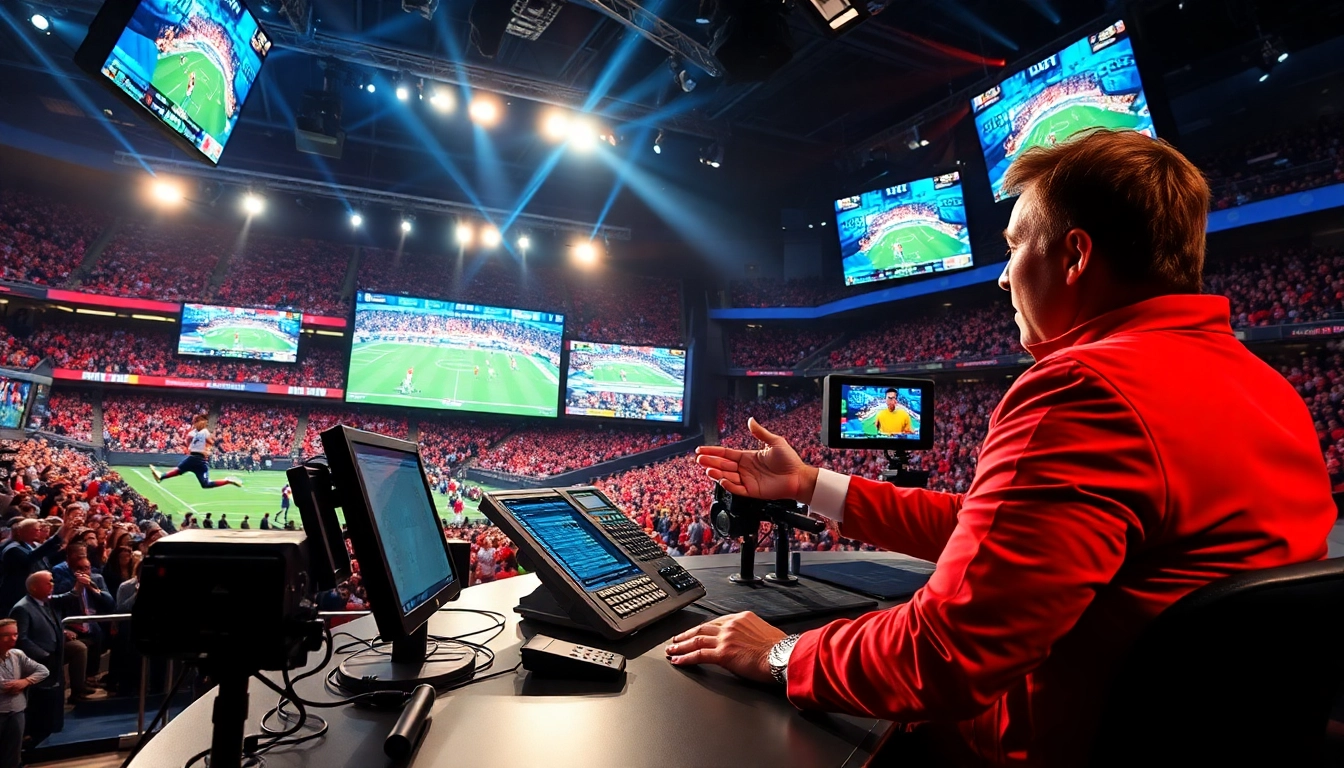
A sports broadcasting studio should reflect a professional environment equipped with the latest technology. Key elements include a central desk for anchors, advanced camera setups for multi-angle coverage, and technical setups for seamless audio and video mixing. The studio should be visually appealing, featuring dynamic backdrops related to sports, creating a vibrant and engaging atmosphere for both viewers and presenters.
Techniques for Effective Sports Broadcasting
Anchoring Techniques in Sports Broadcasting
Anchors serve as the face of sports broadcasting, providing not just coverage but also personality and connection with the audience. Effective techniques usually incorporate a warm and engaging delivery, ensuring that the audience feels part of the experience. Anchors should also remain composed under pressure, especially during high-stakes moments such as playoffs or championships.
Game Analysis and Commentary Strategies
Game analysis is a critical aspect that separates basic coverage from engaging commentary. Analysts need to research team statistics, player health, and previous performance to provide deep insights. Strategies commonly involve utilizing graphics for display, comparing past performances, and anticipating plays, which can help illuminate strategies for viewers.
Engaging with the Audience
Engagement with the audience is vital for maintaining viewership and building a loyal following. Broadcasters often use social media to receive questions, run polls, and share highlights. Engaging commentary that references fan feedback or incorporates viewer questions creates a two-way interaction that enriches the experience.
Leveraging Technology in Sports Broadcasting
Live Streaming Innovations
Live streaming has revolutionized sports broadcasting, making it easier for fans to access events on various devices. Innovations such as multi-camera angles and virtual reality enhance viewer experiences significantly. Moreover, the ability to pause, rewind, or choose different perspectives adds a level of interactivity that traditional broadcasts cannot offer.
Use of Social Media for Sports Broadcasting
Social media platforms have become invaluable tools in sports broadcasting today. Broadcasters use them to share live updates, engage fans through polls or Q&A sessions, and create highlight clips. Social media extends reach and creates community, allowing fans to interact with their favorite teams and personalities in real-time.
Analytics and Performance Metrics
Analytics in sports broadcasting provide insights that enhance production quality and maintain audience interest. Metrics such as viewer ratings, engagement rates, and audience demographics allow broadcasters to tailor content to meet viewer preferences. Furthermore, analyzing performance metrics helps identify successful strategies and predicts future trends that can be leveraged to attract more viewers.
Future Trends in Sports Broadcasting
Emerging Technologies and Their Impact
Emerging technologies, such as augmented reality (AR) and artificial intelligence (AI), are set to further transform sports broadcasting. AR applications can provide real-time statistics overlaid on the screen during a game, while AI can be used for content curation, audience analysis, and production automations, creating a more enriched and efficient broadcasting experience.
Shifts in Viewer Habits and Preferences
As viewing habits evolve, there is a notable shift towards on-demand content. Audiences are increasingly favoring streaming services that allow them to access past events and comprehensive coverage at their convenience. Broadcasters will need to adapt by offering more flexible viewing options and personalized content to meet these changing preferences.
Opportunities for New Broadcasters
The growing accessibility of technology has lowered the barriers for new broadcasters, creating ample opportunities for those entering the field. Aspiring broadcasters can leverage platforms like live streaming services and social media to showcase their skills, connect with audiences, and build a following without the need for major networks. This democratization empowers unique voices in sports commentary and analysis.
FAQs
What qualifications do I need for Sports Broadcasting?
A degree in communications or journalism is beneficial, along with practical experience. Internships and networking are also crucial.
How can I start a career in Sports Broadcasting?
Internships, volunteer work, and building a strong portfolio can help you enter the field. Gaining on-air experience is key.
What are the different types of Sports Broadcasting?
Types include live event coverage, sports news, and analysis shows, each requiring specific skills to engage different audiences.
How has technology affected Sports Broadcasting?
Technology enhances viewer engagement through better quality and interactive features. It also introduces new formats like streaming and AR.
What skills are essential for Sports Broadcasters?
Strong communication, presentation, and analytical skills are key in this competitive industry, along with the ability to engage audiences.