
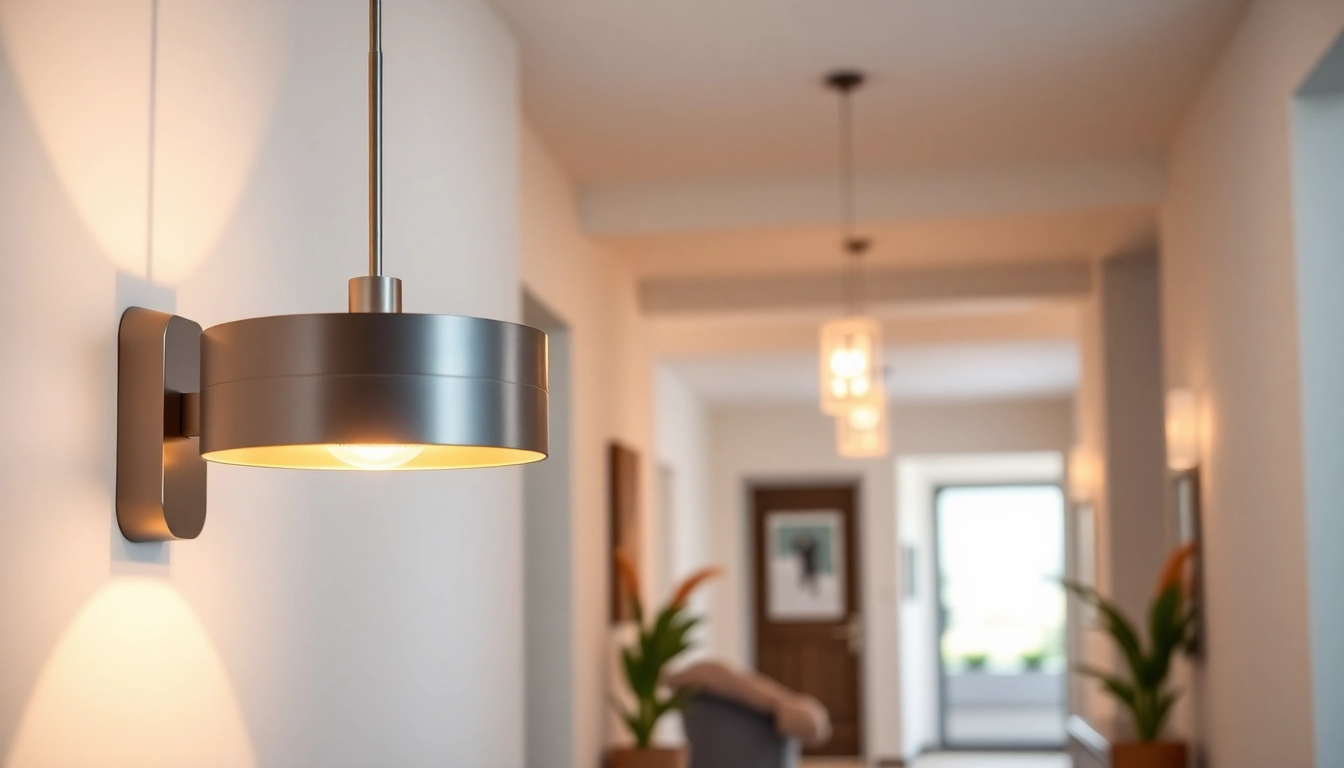
Understanding Hallway Lighting Fixtures
What Are Hallway Lighting Fixtures?
Hallway lighting fixtures are specialized lighting solutions designed to illuminate hallway spaces effectively. These fixtures come in various styles and formats, including wall sconces, ceiling-mounted lights, pendant lights, and recessed lighting. Their primary purpose is to provide adequate lighting for safe and comfortable navigation, as well as to enhance the overall aesthetic appeal of the hallway. A well-thought-out arrangement of hallway lighting fixtures can significantly transform a seemingly utilitarian space into an inviting corridor that connects different parts of the home. Many homeowners are now exploring how to enhance their living spaces with hallway lighting fixtures that fit their style and functional needs.
Importance of Proper Hallway Lighting
Proper hallway lighting serves more than just the purpose of illuminating a space; it plays a critical role in safety, functionality, and aesthetics. A well-lit hallway minimizes the risk of accidents such as tripping or bumping into walls, especially at night. Additionally, hallway lighting exudes warmth and hospitality, which can set the tone as guests enter your home. Adequate lighting can also define the architectural lines of your hallway, drawing attention to artwork or decorative features. Moreover, proper hallway lighting influences the mood of a space, making it feel welcoming and comfortable.
Types of Hallway Lighting Fixtures
When it comes to hallway lighting, various fixture types can achieve different lighting outcomes. The primary types include:
- Wall Sconces: These are mounted on the wall and can add a decorative element while providing focused light.
- Ceiling-Mounted Fixtures: Flush mounts or semi-flush mounts are ideal for lower ceilings and can offer widespread illumination.
- Pendant Lights: Perfect for larger hallways, pendant lights can create a dramatic effect and serve as a statement piece.
- Recessed Lighting: Installed within the ceiling, these fixtures provide a clean look and can be strategically placed for effective lighting.
- Track Lighting: This type offers flexibility in directing light to specific areas, ideal for showcasing art pieces or other focal points.
Choosing the Right Hallway Lighting Fixtures
Consideration Factors for Selection
Choosing the right hallway lighting fixtures involves several factors to ensure that they not only serve their purpose but also complement your home’s decor. Key considerations include:
- Size of the Hallway: Consider the dimensions of your hallway—narrow hallways may require wall-mounted fixtures, while spacious areas can accommodate larger ceiling-mounted options.
- Ceiling Height: The height of the ceilings influences the choice of fixtures. Lower ceilings may benefit from flush mounts or sconces that won’t obstruct movement.
- Existing Decor: Match new fixtures with your home’s overall style, whether modern, traditional, or transitional, to create a cohesive look.
- Lighting Color Temperature: Choose warm white lights to create a cozy atmosphere, or cooler tones for a more contemporary vibe.
Matching Style with Interior Design
It is essential when selecting hallway lighting fixtures to consider harmony with the existing decor. For a contemporary home, sleek and minimalist fixtures may work best. Conversely, more traditional homes could benefit from ornate or vintage-inspired lighting. Additionally, when mixing styles, aim for a common element, such as color or finish, to unify the look. An eclectic mix can add character, but maintain balance to avoid a chaotic impression.
Energy Efficiency and LED Options
Energy-efficient lighting is a practical choice for hallway lighting fixtures, promoting sustainability and saving on energy bills. LED lighting options are particularly favored because they consume less power and have a longer lifespan than incandescent bulbs. LED fixtures are available in various styles, making them suitable for any hallway aesthetic. Incorporating dimmer switches can further enhance energy savings while allowing flexibility in lighting levels during different times of day.
Installation and Maintenance of Hallway Lighting Fixtures
DIY Installation Steps
Installing hallway lighting fixtures can often be a DIY project if you have some basic skills. Here are the steps to follow:
- Turn off the power at the circuit breaker to ensure safety during installation.
- Remove the existing fixture (if applicable) by unscrewing it from the junction box.
- Connect the new fixtures following the manufacturer’s instructions. Typically, this involves connecting the black (hot) wire, white (neutral) wire, and green or copper (ground) wire.
- Attach the new fixture securely to the ceiling or wall and restore power to test the installation.
- Finalize any cosmetic touches, like placing decorative covers or adjusting hardware.
Maintenance Tips for Longevity
Proper maintenance helps prolong the life of hallway lighting fixtures. Regular dusting and cleaning will keep surfaces shiny and enhance light output. For fixtures with replaceable bulbs, regularly check and replace any burnt-out bulbs to ensure consistent lighting. Additionally, periodically inspect electrical connections for any signs of wear or damage, especially for older fixtures, and consult a professional if you notice any issues.
When to Call a Professional
While minor installations and maintenance can be DIY projects, some situations necessitate professional assistance. Call an electrician if you encounter:
- Complex wiring systems that are difficult to navigate.
- Issues with circuit breakers frequently tripping.
- Unusual flickering or dimming of lights.
- Concerns regarding compliance with local electrical codes.
- Installation of high-voltage fixtures requiring specialized knowledge.
Lighting Design Ideas Featuring Hallway Lighting Fixtures
Layering Light with Different Fixtures
Layering light involves using a combination of overhead, task, and accent lighting to create a dynamic environment. In hallways, this can be achieved by combining ceiling fixtures with wall sconces and decorative accents. For example, ambient light can come from a central ceiling-mounted fixture, while wall sconces provide softer, folded light on either side. This approach not only enhances visibility but also adds dimension and interest to long corridors.
Creating Focal Points in Your Hallway
A well-designed hallway can include focal points that draw the eye. Integrate hall lighting fixtures that highlight art pieces, mirrors, or architectural elements. Using track lighting or adjustable recessed fixtures ensures that you can illuminate these focal points effectively. Consider also using colored or textured light to create a unique atmosphere that emphasizes the character of the hallway.
Using Color to Enhance Your Space
Color temperature and fixture coloration can dramatically affect the ambiance of your hallway. Warmer hues can evoke coziness and invite relaxation, while cooler tones may lend a more contemporary, clean look. Selecting fixtures in metallic finishes, such as brushed nickel or gold, can also add sophistication and reflect light, brightening the space further. Paint colors that complement your fixtures can create a harmonious environment that feels curated and intentional.
FAQs about Hallway Lighting Fixtures
What types of light bulbs should I use?
LED bulbs are highly recommended for hallway lighting due to their energy efficiency and longevity. They come in various color temperatures, allowing you to choose the ambiance you want.
How do I decide on the height for fixtures?
Generally, hang fixtures about 7 feet from the floor to avoid obstruction. Consider the overall height of your ceilings and any architectural details that might influence this decision.
Can I mix different styles of fixtures?
Yes, mixing fixture styles can create an eclectic but harmonious look if they share common elements like color or finish. Just ensure they complement each other to avoid a chaotic vibe.
What are the best materials for hallway fixtures?
Popular materials include metal, glass, and wood, all of which offer distinct styles. Metal offers durability, glass provides elegance, and wood can introduce warmth and texture to your space.
How can I improve energy efficiency in my hallway?
Utilize LED bulbs, install dimmers, and ensure your fixtures are spaced adequately to provide maximum illumination with minimal energy consumption. Regular maintenance is also essential.